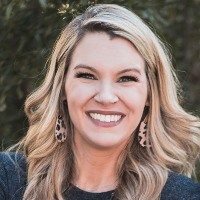
Courtney Burrus, LPC
Therapist in Texas
Compassionate therapist focused on practical change
Continue with CourtneyReview online therapy options on BetterHelp.
Experience
12+ years
Credentials
LPC
Languages
English
Based in
Texas
- Client-centered
- Cognitive behavioral
- Intimacy and relationships
About Courtney
Courtney uses a mix of approaches to match each person's needs. She draws on Cognitive Behavioral Therapy to identify and shift unhelpful thoughts and behaviors. She also uses Client-Centered Therapy to prioritize the client's experience and pace the work according to what feels manageable.
In sessions she helps people untangle trauma, relationship strains, addiction concerns, and the fallout from family-of-origin issues. She supports clients dealing with grief, parenting stress, body image struggles, and chronic illness. Courtney also addresses ADHD, compassion fatigue, and the emotional ripple effects of major life changes.
Her style is practical and collaborative. She helps clients set short-term goals and build day-to-day skills they can use between meetings. Solution-Focused techniques are used to find concrete steps forward when people feel stuck.
Over a dozen years of practice in Texas informs her work with varied life challenges. She encourages clients to explore meaning and purpose when that feels important, using Existential Therapy ideas to guide those conversations. The aim is steady progress and clearer coping tools, not quick fixes.
How therapeutic approaches guide online care
Cognitive Behavioral Therapy focuses on the connection between thoughts, feelings, and actions. It helps people notice unhelpful thinking patterns and practice different responses to reduce anxiety, manage mood, and change behaviors.Client-Centered Therapy emphasizes the person’s lived experience and pace of work. The therapist listens deeply, reflects what’s happening, and supports the client in finding their own answers for relationship and identity concerns.
Finding the right approach is a collaborative process. Courtney will talk with each person about goals and preferences, then blend methods that make sense for the issue at hand. She aims to set clear, achievable steps and review progress together so the plan can be adjusted as needed.
If you are considering online therapy, confirm the current session options before booking. Many people find online work helps fit therapy into a busy life by making scheduling easier and reducing travel time. Online sessions can also allow shorter check-ins or more flexible timing, which helps maintain steady progress while juggling daily responsibilities.
Areas of expertise
Primary focus
Also works with
Additional focus areas
Therapeutic approaches
License details
- LPC · Texas
- 73468
- NPI (National Provider Identifier)
- 1619588381
As listed on the therapist's professional profile. You can check these details with the relevant licensing board, professional body or registry.
Frequently asked questions
What kinds of problems does she address?
Courtney helps people with stress, anxiety, depression, trauma and intimacy-related issues, as well as addiction, grief, eating concerns, and family and parenting struggles.
What is her therapy style like?
She uses a blended, practical style that includes Client-Centered Therapy and Cognitive Behavioral Therapy, focusing on clear skills, improved communication, and collaborative goal-setting.
How much experience does she have?
She has 12 years of clinical experience working with a wide range of emotional and relationship concerns.
What credentials and location are listed?
She is licensed as an LPC in Texas and practices there.
Which languages are supported for sessions?
Sessions are offered in English.
Can people outside the U.S. work with her?
International clients are not currently accepted.
How are sessions priced?
Cost varies with location and therapist availability; sessions use a subscription that can be canceled at any time.
How do I begin therapy with her?
Use the Start Therapy button, complete a short matching questionnaire, and schedule sessions according to therapist availability.
Some intimacy concerns have a physical side. If you notice pain or other physical symptoms, please speak with a doctor as well. Therapy can sit alongside medical care, not replace it.