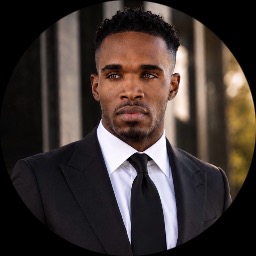
Courtney "Adrian" Pinckney, LCSW
Therapist in Florida
Compassionate LCSW focused on real-life challenges
Continue with CourtneyReview online therapy options on BetterHelp.
Experience
4+ years
Credentials
LCSW
Languages
English
Based in
Florida
- Evidence-based techniques
- Practical tools
- Nonjudgmental listening
About Courtney
Adrian focuses on the whole person rather than just a single symptom. He helps people talk through relationship and communication struggles, questions about identity, grief, and finding life purpose. He also supports people facing workplace stress, caregiver strain, chronic illness, and challenges related to body image or sexual expression.
In sessions he uses evidence-based therapeutic techniques tailored to the individual. That means approaches with research behind them, adjusted to the client’s needs and pace. He aims for practical, usable tools and clearer thinking rather than jargon-filled conversation.
Adrian works in Florida and uses his LCSW credential in clinical practice. He speaks English and does not take international clients. He draws on his clinical experience to help people set realistic goals and track progress over time.
Starting care begins with a short matching questionnaire and scheduling through the site. He asks questions about current needs and preferences, then helps set up a plan that fits the person’s life and goals.
Approaches That Guide Online Work
Evidence-based therapeutic techniques are central to his work. One approach focuses on identifying patterns that keep problems going and teaching specific skills to change those patterns. This helps with anxiety, stress, and day-to-day coping.Another approach concentrates on processing difficult experiences and building stronger coping responses. That work can reduce the emotional intensity tied to traumatic events and improve how someone manages triggers and painful memories.
Finding the right approach is a collaborative process. He will ask about your goals, preferences, and what has or hasn’t worked before. Together you’ll try methods that match those goals and adjust over time if something doesn’t fit.
Online therapy can make it easier to fit sessions into a busy life. Please confirm the current session formats before booking since the biography does not list specific formats. Many people find remote sessions helpful because they reduce travel time, allow shorter check-ins when needed, and can make scheduling around work or caregiving tasks simpler. Licensed professionals can tailor pace and tools to work well in an online setting while keeping the focus on practical progress and real-world change.
Areas of expertise
Primary focus
Additional focus areas
License details
- LCSW · Florida
- SW26616
- NPI (National Provider Identifier)
- 1659063501
As listed on the therapist's professional profile. You can check these details with the relevant licensing board, professional body or registry.
Frequently asked questions
What kinds of concerns does he help with?
He works with depression, anxiety, stress, trauma, and addiction, and also addresses related issues such as grief, caregiver strain, body image, and sexual expression.
How would you describe his therapeutic style?
His style is collaborative and down-to-earth. He listens first, then suggests practical tools and strategies that fit the person’s goals and pace.
What is his professional background?
He has four years of clinical experience working across a broad range of mental health concerns and life stressors.
What credentials and location information are on file?
He holds the LCSW credential and practices in Florida.
Which languages are supported for sessions?
Sessions are offered in English.
Does he accept clients outside the United States?
He is not accepting international clients at this time.
How are session costs handled?
Cost varies with location and therapist availability; sessions use a subscription that can be canceled at any time.
What are the steps to begin working with him?
Use the Start Therapy button, complete the short matching questionnaire, and then schedule according to therapist availability.
Some intimacy concerns have a physical side. If you notice pain or other physical symptoms, please speak with a doctor as well. Therapy can sit alongside medical care, not replace it.