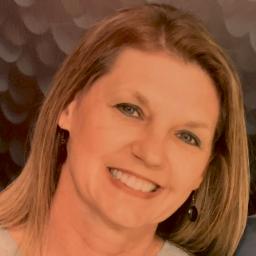
Chrisandra Kovarek, LCSW
Therapist in Texas
Compassionate LCSW offering practical support
Continue with ChrisandraReview online therapy options on BetterHelp.
Experience
15+ years
Credentials
LCSW
Languages
English
Based in
Texas
- 15 years experience
- Focus on relationships
- Values-based care
About Chrisandra
With 15 years of clinical experience, Chrisandra adapts conversations and plans to fit individual needs. She uses practical strategies to help people manage emotions, improve communication, and address challenges like addiction, grief, or trauma. Sessions emphasize building skills that carry into daily life.
Her work draws on approaches such as Acceptance and Commitment Therapy, Cognitive Behavioral Therapy, and Client-Centered Therapy to help people notice unhelpful patterns and try new responses. Mindfulness and Dialectical Behavior Therapy techniques are used when helpful to manage intense feelings and stay grounded.
Chrisandra also supports people dealing with parenting stress, caregiving burdens, chronic illness, and issues tied to major life transitions. She addresses concerns related to eating, sleeping, and self-worth alongside relationship and career pressures.
She frames therapy as a collaborative process where clients and therapist set achievable steps. The goal is practical change - feeling more capable, communicating more clearly, and making decisions that reflect personal values.
Therapeutic approaches and online care
Chrisandra commonly uses Acceptance and Commitment Therapy (ACT) and Cognitive Behavioral Therapy (CBT). ACT helps people clarify what matters most to them and take steps toward those values even when uncomfortable feelings appear. CBT focuses on identifying unhelpful thoughts and trying small behavior changes to reduce distress.She also draws on Client-Centered Therapy ideas, which emphasize listening without judgment and shaping the pace to the person's needs. Together these approaches offer skill-building, perspective shifts, and steady emotional support for issues like anxiety, relationship stress, grief, and sexual or intimacy-related concerns.
Finding the right approach is part of the work. The therapist will collaborate with each person to choose methods that match their goals, preferences, and day-to-day life. Adjustments are expected as progress is checked and new needs arise.
If you are considering online therapy, confirm the current session options before booking since formats are not specified here. Online sessions can make it easier to fit therapy into a busy schedule, allow shorter check-ins when time is limited, and reduce travel time so people can use a break at work or between errands more easily. Licensed professionals can adapt ACT, CBT, and client-centered techniques to work well in virtual appointments.
Areas of expertise
Primary focus
Also works with
Additional focus areas
Therapeutic approaches
License details
- LCSW · Texas
- 38700
- NPI (National Provider Identifier)
- 1528694510
As listed on the therapist's professional profile. You can check these details with the relevant licensing board, professional body or registry.
Frequently asked questions
What kinds of problems does this therapist address?
Chrisandra helps people with stress, anxiety, depression, relationship and intimacy-related issues, addictions, grief, trauma, and self-esteem concerns.
What is the general style of therapy like?
Therapy is collaborative and practical, with conversations tailored to each person. Sessions focus on building skills and setting small, achievable steps toward your goals.
How much clinical experience does the therapist have?
She brings 15 years of professional work experience in behavioral health and related settings.
What credentials and region are listed for this therapist?
The clinician’s credential is LCSW and she is licensed in Texas.
Which languages are offered for sessions?
Sessions are offered in English.
Are international clients accepted for sessions?
International clients are not currently accepted.
How is pricing or cost handled?
Cost varies with location and therapist availability; sessions use a subscription that can be canceled at any time.
How do I begin working with this therapist?
Select the Start Therapy button, complete a short matching questionnaire, and schedule according to therapist availability.
Some intimacy concerns have a physical side. If you notice pain or other physical symptoms, please speak with a doctor as well. Therapy can sit alongside medical care, not replace it.