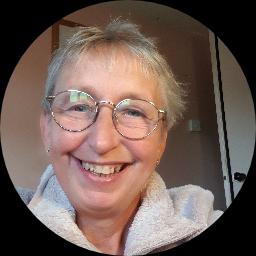
Carole Davies, BACP, NCPS
Therapist in United Kingdom
Support for life change and intimacy concerns
Continue with CaroleReview online therapy options on BetterHelp.
Experience
5+ years
Credentials
BACP, NCPS
Languages
English
Based in
United Kingdom
- Humanistic counsellor
- Values-based work
- Mindfulness and ACT
About Carole
She focuses on rebuilding a life that feels meaningful. Sessions are guided by what matters most to the client in the moment. Carole uses a humanistic, non-directive style to listen, reflect and help people find practical next steps.
Carole draws on Acceptance and Commitment Therapy, Dialectical Behavior Therapy and mindfulness approaches to help with regulation, values-based choices and staying present. She combines these with a client-centred attitude so each person shapes the pace and topics of therapy.
Her background includes working in an addiction recovery setting, supporting people to manage shame and reintegrate after substance use. That experience informs her approach to compulsive or addictive behaviours and related relationship or confidence issues.
Carole holds BACP and NCPS credentials and has five years' experience. She works in the United Kingdom and offers sessions in English. If someone is ready to make changes she supports them to set realistic goals and build a more hopeful next chapter.
How Carole's approaches translate to online work
Carole uses Acceptance and Commitment Therapy to help people clarify their values and take small meaningful steps, particularly useful when someone feels stuck after loss or life change. She also uses Client-Centred Therapy, which focuses on listening, reflecting and letting the client's priorities shape each session. Dialectical Behavior Therapy skills are used to teach practical tools for managing strong emotions and improving coping in everyday life.Choosing the right approach is part of the therapy process. Carole works collaboratively to identify which methods match a person's goals and preferences, and she adjusts the work as progress unfolds. Together they decide which strategies to try first and how to pace each step.
If you are considering online sessions, confirm the specific session formats before booking as options are not listed here. Online work can make it easier to fit therapy into a busy life, reduce travel time and allow shorter check-ins when needed. Some people prefer audio over video when they want less to manage, while others benefit from face-to-face conversation by camera; these practical choices help sessions slot into day-to-day routines.
Areas of expertise
Primary focus
Also works with
Additional focus areas
Therapeutic approaches
Registration details
- BACP · United Kingdom
- 391979
- NCPS · United Kingdom
- NCS21-02849
As listed on the therapist's professional profile. You can check these details with the relevant licensing board, professional body or registry.
Frequently asked questions
What concerns does Carole help with?
She supports people with stress, anxiety, grief, low self-esteem, addiction-related issues and intimacy-related problems including sexual dysfunction, among other life challenges.
What is Carole's therapeutic style?
She uses a non-directive, client-centred approach combined with Acceptance and Commitment Therapy, Dialectical Behavior Therapy and mindfulness to help people notice what matters and take small steps forward.
How much experience does she have?
Carole has five years' experience working as a counsellor, including time in an addiction recovery setting.
What credentials and region are listed?
She is listed with BACP and NCPS and practises in the United Kingdom.
Which languages are supported?
Sessions are offered in English.
Can people outside the UK work with her?
She does not accept international clients at this time.
How are session costs handled?
Cost varies with location and therapist availability; sessions use a subscription that can be cancelled at any time.
How do I begin working together?
Select the Start Therapy button, complete a short matching questionnaire, and schedule according to the therapist's availability.
Some intimacy concerns have a physical side. If you notice pain or other physical symptoms, please speak with a doctor as well. Therapy can sit alongside medical care, not replace it.