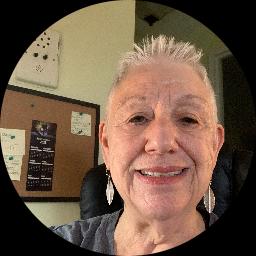
Carol Harris, LCSW
Therapist in New York
Compassionate LCSW helping adults navigate life changes
Continue with CarolReview online therapy options on BetterHelp.
Experience
25+ years
Credentials
LCSW
Languages
English
Based in
New York
- Experienced therapist
- Values-based work
- Practical coping skills
About Carol
She has a long history of working with ethnically diverse adults and their young adult children. She also has experience supporting older adults and people with medical conditions. That background shapes a practical, respectful way of talking through problems and planning next steps.
In sessions she draws on several approaches to match what each person needs. She uses Acceptance and Commitment Therapy to help people clarify values and act on them. She uses Cognitive Behavioral Therapy to identify unhelpful thinking and build different coping skills. Carol also brings attachment-based and client-centered ideas to promote stronger connections and clearer self-understanding.
Her style is patient and kind. She aims to make sessions straightforward and goal-focused. Together, she and the person she’s working with set realistic steps and track progress between meetings.
Carol believes reaching out was a good first move and offers steady support through change. People who want practical tools, steady listening, and help navigating transitions may find her approach useful.
How therapy approaches translate to online work
Acceptance and Commitment Therapy focuses on helping people name their values and take small steps toward them, even when strong emotions show up. It can help with anxiety, depression, and coping with life transitions. Cognitive Behavioral Therapy looks at patterns of thought and behavior and teaches concrete skills to manage mood and stress in everyday life.Finding the right approach is a collaborative process. The therapist will ask about your goals, what has and hasn’t worked, and what feels doable. Together you can try one method or combine ideas from different approaches to fit your needs and preferences.
Confirm the exact session formats before booking since the biography does not list them. Online work can make it easier to fit sessions into a busy day, allow shorter check-ins when needed, and let people join from different locations when travel would be difficult. Licensed professionals can also adapt exercises and between-session tasks for remote use so progress continues between appointments.
Areas of expertise
Primary focus
Also works with
Additional focus areas
Therapeutic approaches
License details
- LCSW · New York
- 047015
- NPI (National Provider Identifier)
- 1821016973
As listed on the therapist's professional profile. You can check these details with the relevant licensing board, professional body or registry.
Frequently asked questions
What concerns does Carol commonly address?
She helps people with depression, anxiety, stress, grief, relationship and intimacy-related issues, parenting concerns, and addictions among other problems.
What is Carol's general approach in therapy?
She uses a mix of practical methods, focusing on values, thoughts, and relationships to set clear steps and goals clients can try between sessions.
How much clinical experience does she have?
Carol has 25 years of experience working with ethnically diverse adults, young adult children, and older adults with medical issues.
What credentials and location are listed for Carol?
She is a licensed clinical social worker - LCSW - practicing in New York.
In which languages can sessions be conducted?
Sessions are offered in English and she accepts international clients.
What session formats are available?
Please confirm current session options before booking since formats are not specified in the biography.
How are fees and payment handled?
Cost varies by location and therapist availability, and sessions use a subscription that can be canceled at any time.
How do I begin working with Carol?
Use the Start Therapy button, complete a short matching questionnaire, then schedule sessions according to the therapist's availability.
Some intimacy concerns have a physical side. If you notice pain or other physical symptoms, please speak with a doctor as well. Therapy can sit alongside medical care, not replace it.