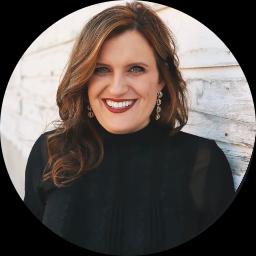
Alyssa Ingle, LPC
Therapist in Missouri
Warm, practical counseling for life transitions
Continue with AlyssaReview online therapy options on BetterHelp.
Experience
18+ years
Credentials
LPC
Languages
English
Based in
Missouri
- Solution-focused
- Trauma-informed
- Strengths-based
About Alyssa
She uses Solution-Focused Therapy and Trauma-Focused Cognitive Behavioral Therapy, along with other evidence-based therapeutic techniques. Sessions focus on identifying strengths and building simple tools that can be used between meetings. The work is collaborative and goal-oriented, with small, achievable steps to reduce distress and improve daily functioning.
Alyssa aims to create a space where people feel heard and able to try new approaches. She frames problems in ways that make next steps clearer. That may include improving communication, setting boundaries, or developing coping strategies for strong emotions.
With 18 years of experience, Alyssa brings long-term practice to complex situations such as co-morbidity, dissociation, domestic violence, and care for older adults. Her approach supports people working through control issues, codependency, commitment questions, and the effects of trauma.
She works in Missouri and conducts sessions in English. Outside of clinical work she enjoys country music, pickleball, museum visits, Monet, and shoe shopping.
Evidence-based approaches and online care options
Solution-Focused Therapy is a brief, goal-oriented approach that highlights what is already working and builds on strengths to reach specific goals. It works well for stress, relationship concerns, and adjusting after life changes. Trauma-Focused Cognitive Behavioral Therapy combines practical skills for managing distressing memories and thoughts with active practice of new coping strategies, which can help with trauma reactions and mood symptoms.Finding the right approach is part of the work. The therapist collaborates with each person to choose methods that match their needs, goals, and comfort level. That may mean trying a short solution-focused plan first, then adding trauma-focused techniques if deeper processing is needed.
The original biography does not list specific online session formats, so confirm which options are offered before booking. In general, online sessions can make it easier to fit therapy into a busy week, reduce travel time, and allow quicker check-ins when life gets busy. Some formats work better for shorter check-ins or for people who prefer not to be on camera, while others allow more in-depth conversation. Talk with the therapist during the matching process to pick the session rhythm and setup that fit daily life best.
Areas of expertise
Primary focus
Additional focus areas
License details
- LPC · Missouri
- 2009030421
- NPI (National Provider Identifier)
- 1194052522
As listed on the therapist's professional profile. You can check these details with the relevant licensing board, professional body or registry.
Frequently asked questions
What kinds of concerns does Alyssa address?
She supports people with stress, anxiety, depression, relationship and family difficulties, and self-esteem issues. Additional focus areas include adoption and foster care, blended family challenges, body image, and recovery after divorce or separation.
How would you describe her approach in sessions?
Her style is client-centered and collaborative, focusing on strengths and practical tools. Sessions often set small, achievable goals and track progress over time.
How much experience does she have?
She has 18 years of clinical experience working with a range of concerns, including trauma-related issues and complex presentations like dissociation and co-morbidity.
What are her credentials and where is she located?
She holds the LPC credential, which stands for Licensed Professional Counselor, and practices in Missouri.
Which languages are offered for sessions?
Sessions are offered in English. International clients are not currently accepted.
What session formats are available?
The original biography does not specify session formats, so please confirm current session options with the provider before booking.
How is cost handled for sessions?
Cost varies with location and therapist availability; sessions use a subscription that can be canceled at any time.
How do I get started with therapy?
Begin by selecting the Start Therapy button, completing a short matching questionnaire, and scheduling according to therapist availability.
Some intimacy concerns have a physical side. If you notice pain or other physical symptoms, please speak with a doctor as well. Therapy can sit alongside medical care, not replace it.