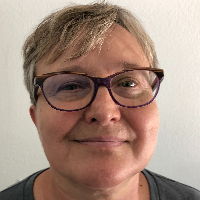
Vladimira Lumley, LMFT
Therapist in California
Compassionate, experienced therapist for life's challenges
Continue with VladimiraReview online therapy options on BetterHelp.
Experience
23+ years
Credentials
LMFT
Languages
English, Czech
Based in
California
- Warm and interactive
- Attachment informed
- CBT practical tools
About Vladimira
Her style is warm, interactive, and respectful. Sessions are practical and conversational. She avoids stigmatizing labels and aims to tailor each conversation to what the person actually needs that week.
Vladimira draws on a mix of approaches to fit each person. She uses attachment ideas to look at how past bonds shape current patterns. She brings client-centered listening that keeps the person’s priorities at the center. She also uses cognitive behavioral tools to identify unhelpful thoughts and try small behavior changes.
Her practice emphasizes building skills and awareness together. That can include mapping relationship patterns, practicing new ways to ask for needs, or making concrete steps to reduce anxiety and improve mood. She offers guidance while inviting the person to shape the plan.
With 23 years as an LMFT, she combines experience with a flexible approach. People who want a therapist who listens without judgment and helps build practical next steps may find her approach helpful.
How these approaches translate to online therapy
Attachment-Based Therapy looks at how early relationships shape current patterns. It helps people understand why they respond a certain way in close relationships and offers ways to practice new interactions.Client-Centered Therapy emphasizes listening and the person’s goals. The therapist follows the person’s lead, reflects what is said, and helps clarify priorities so sessions feel focused on what matters most.
Cognitive Behavioral Therapy (CBT) focuses on the link between thoughts, feelings, and behaviors. It offers simple experiments and small behavior changes to reduce anxiety, change unhelpful routines, and improve mood.
Finding the right approach is part of the work. The therapist will collaborate with each person to pick methods that match goals, needs, and preferences. That might mean combining attachment thinking with CBT exercises or letting the person set the pace and topics.
Session logistics should fit into everyday life. The biography does not list specific session formats, so confirm the available options before booking. Online therapy can make it easier to schedule around work, reduce travel time, or have shorter check-in meetings when needed. Licensed professionals use these approaches to help people make steady progress while keeping therapy practical and adaptable.
Areas of expertise
Primary focus
Also works with
Additional focus areas
Therapeutic approaches
License details
- LMFT · California
- 34732
- LMFT · Colorado
- 1290
- NPI (National Provider Identifier)
- 1609209923
As listed on the therapist's professional profile. You can check these details with the relevant licensing board, professional body or registry.
Frequently asked questions
What issues does she address in sessions?
She supports people with stress, anxiety, addictions, depression, trauma and abuse, relationship and intimacy-related issues, grief, career concerns, and related areas.
How would you describe her therapy style?
Her style is warm, interactive, and nonjudgmental. She focuses on practical conversation and tailors the work to each person's needs.
What experience does she bring to therapy?
She has 23 years of clinical experience working in mental health and relational concerns, including physical trauma and emotional abuse.
What credentials and location are listed?
She is an LMFT licensed in California and her practice is based in California.
Which languages are available for sessions?
Sessions are offered in English and Czech, and she accepts international clients.
What session formats are offered?
Session formats are not specified in the biography; please confirm current session options before booking.
How is cost handled for therapy?
Cost varies with location and therapist availability; sessions use a subscription that can be canceled at any time.
How do I begin working with her?
Click the Start Therapy button, complete a short matching questionnaire, and then schedule according to therapist availability.
Some intimacy concerns have a physical side. If you notice pain or other physical symptoms, please speak with a doctor as well. Therapy can sit alongside medical care, not replace it.