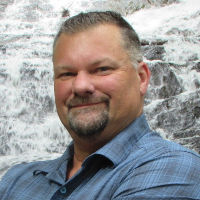
Robert Wubbenhorst, LCMHC
Therapist in Vermont
Compassionate counselor focusing on practical change
Continue with RobertReview online therapy options on BetterHelp.
Experience
15+ years
Credentials
LCMHC
Languages
English
Based in
Vermont
- Integrative approach
- Practical skills
- Mindfulness included
About Robert
How therapeutic approaches fit into online care
Client-Centered Therapy focuses on listening, empathy, and helping people find their own solutions. It helps when someone needs support to understand feelings and decide next steps. Cognitive Behavioral Therapy, or CBT, looks at how thoughts, feelings, and actions connect; it helps with anxiety, depression, and changing unhelpful patterns. Dialectical Behavior Therapy, or DBT, adds practical tools for managing strong emotions and improving distress tolerance. Finding the right approach is a team effort. The therapist will work with each person to pick or blend methods that match goals and preferences. That means trying ideas, checking what helps, and changing course if needed. Confirm the available session formats before booking, as the biography does not list specific online options. Online work can make it easier to fit therapy into a busy life by removing commute time and allowing shorter check-ins when a quick update is needed. It also makes scheduling around work or caregiving simpler and can let people keep continuity of care when travel or relocation occurs. Licensed professionals can adapt exercises, mindfulness practices, and CBT or DBT skills work to an online setting to help people build new habits and manage symptoms.Areas of expertise
Primary focus
Also works with
Additional focus areas
Therapeutic approaches
License details
- LCMHC · Vermont
- 068.0072017
- NPI (National Provider Identifier)
- 1760775571
As listed on the therapist's professional profile. You can check these details with the relevant licensing board, professional body or registry.
Frequently asked questions
What issues does Robert focus on?
He works with stress, anxiety, depression, trauma, intimacy-related issues, and related concerns such as addiction, grief, sleep problems, anger, and career stress.
What is his general approach in sessions?
Sessions use an integrative, practical style that combines listening with skill-building. He applies client-centered methods alongside cognitive and behavioral techniques to test new ways of coping.
How much experience does he have?
He brings about 15 years of clinical experience in community mental health, higher education, and private practice settings.
What credentials and location are listed?
He is a Vermont Licensed Clinical Mental Health Counselor (LCMHC) and practices in Vermont.
Which languages are offered for sessions?
Sessions are offered in English.
Does he work with international clients?
He does not accept international clients at this time.
How are sessions scheduled and what does it cost?
Cost varies with location and therapist availability; sessions use a subscription that can be canceled at any time.
How do I begin working with him?
Use the Start Therapy button, complete the short matching questionnaire, and schedule according to therapist availability.
Some intimacy concerns have a physical side. If you notice pain or other physical symptoms, please speak with a doctor as well. Therapy can sit alongside medical care, not replace it.