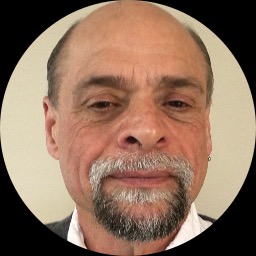
Richard Alongi, LMFT
Therapist in California
Experienced California LMFT focused on relationships
Continue with RichardReview online therapy options on BetterHelp.
Experience
36+ years
Credentials
LMFT
Languages
English
Based in
California
About Richard
He uses a direct but compassionate style and adapts sessions to each person's situation. He aims to treat people with respect and sensitivity while tailoring conversation and goals to what matters most to the client. He encourages practical steps and clearer communication to reduce stress and improve confidence.
Richard draws on attachment-based ideas to look at how early bonds affect current relationships. He also uses client-centered techniques that follow the client's pace and priorities. Emotionally-Focused Therapy tools help when emotions are getting in the way of connection or intimacy.
His background includes decades of work supporting people through life changes such as divorce, caregiving strain, substance use challenges, and job transitions. He also addresses concerns like abandonment, codependency, dissociation, and issues related to alternative sexual cultures including BDSM and kink.
Sessions are framed around the goals you set together, whether that means reducing anxiety, improving communication, managing addictive behaviors, or rebuilding self-esteem. He encourages questions about the process and adapts plans as progress is made.
To begin, follow the site steps to match and schedule a time that fits your needs.
How attachment and emotion work online
Richard uses Attachment-Based Therapy to look at how early relationships shape current patterns of closeness and conflict; this approach helps when people struggle with trust, abandonment, or repeating painful relationship cycles. He also relies on Emotionally-Focused Therapy (EFT) to identify and work with intense emotions that get in the way of connection and intimacy. Client-Centered Therapy is part of his approach too, which means sessions follow each person's pace and concerns rather than a preset script.Finding the right approach is part of the process. The therapist will collaborate with each client to choose which methods fit their needs and goals. That choice can shift over time as goals change or new issues come up, and Richard adjusts plans based on ongoing feedback.
If you are interested in online work, confirm the exact session options before booking since formats are not listed here. Online sessions can make it easier to fit therapy into a busy life, for example allowing quieter check-ins during a work break, avoiding travel time, or offering a shorter phone-based conversation when video isn't convenient. Many people find that remote sessions let them practice new skills between meetings and maintain continuity through life changes.
Areas of expertise
Primary focus
Also works with
Additional focus areas
Therapeutic approaches
License details
- LMFT · California
- 19896
- NPI (National Provider Identifier)
- 1609047216
As listed on the therapist's professional profile. You can check these details with the relevant licensing board, professional body or registry.
Frequently asked questions
What kinds of concerns does this therapist address?
He works with people facing addictions, relationship and intimacy-related issues, anxiety, depression, grief, low self-esteem, and stress among other concerns.
How would you describe his therapeutic style?
He uses a compassionate, adaptable approach that follows the client's pace and focuses on practical conversation and goals.
What is his clinical background and experience?
He has 36 years of professional experience working with a wide range of issues including trauma, substance use, and life transitions.
What credentials and location are listed for this therapist?
He is a Licensed Marriage and Family Therapist (LMFT) practicing in California.
Which languages are supported for sessions?
Sessions are offered in English.
Are international clients accepted?
International clients are not currently accepted.
How are session costs handled?
Cost varies with location and therapist availability; sessions use a subscription that can be canceled at any time.
What steps do I take to get started?
Use the Start Therapy button, complete the short matching questionnaire, and schedule according to the therapist's availability.
Some intimacy concerns have a physical side. If you notice pain or other physical symptoms, please speak with a doctor as well. Therapy can sit alongside medical care, not replace it.