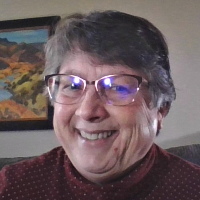
Leslie Cullen, LMHC
Therapist in Washington
Compassionate, practical care for everyday struggles
Continue with LeslieReview online therapy options on BetterHelp.
Experience
30+ years
Credentials
LMHC
Languages
English
Based in
Washington
- Client-centered listening
- Skills-based work
- Focus on change
About Leslie
With 30 years of experience, Leslie blends cognitive and behavioral techniques with attention to how the brain adapts to change. She uses client-centered listening to understand what matters to each person, then pairs that with skills-based work so clients can try new ways of coping. Sessions are aimed at identifying clear goals and testing small adjustments between meetings.
Leslie has long worked with LGBT people and addresses gender and sexual orientation issues without assuming a single path forward. She also supports people dealing with trauma, addiction, ADHD, grief, relationship problems, sleep trouble, and compassion fatigue. Her practice includes attention to aging and caregiver stress when relevant to a person’s situation.
In therapy she encourages insight that stays grounded in daily life. That means noticing how thoughts, habits, and relationships influence mood and behavior, then practicing alternatives. She draws on methods such as attachment-based ideas, cognitive behavioral tools, and mindfulness so clients have both understanding and concrete skills.
People who come to Leslie typically want clear, usable strategies and a therapist who listens closely before suggesting change. Her style is collaborative and steady, focused on what can be tried next rather than only on the past.
How Leslie’s Approaches Work Online
Attachment-based work looks at how early and current relationships shape how people trust, connect, and handle closeness; it can help with intimacy-related issues, grief, and patterns that keep repeating. Client-centered therapy emphasizes being heard and respected while the person chooses goals and pace; it helps people who need time to name what matters to them. Cognitive behavioral therapy (CBT) focuses on identifying unhelpful thoughts and testing new behaviors; it is useful for anxiety, depression, sleep problems, and many everyday patterns.Finding the right approach is part of the work. Leslie treats this as a team effort and will help clients decide which ideas and tools fit their needs and goals. She blends listening with practical exercises so people can try changes between sessions and report back what worked.
Session formats are not specified here, so confirm current options before booking to know whether video, phone, or another format is offered. Online therapy can make it easier to fit meetings into a busy week, allow shorter check-ins when needed, and remove travel time so people can use their break or quiet moments. Licensed professionals can still guide skill practice, support emotional processing, and help build routines even when meeting remotely.
Areas of expertise
Primary focus
Also works with
Additional focus areas
Therapeutic approaches
License details
- LMHC · Washington
- LH00004269
- NPI (National Provider Identifier)
- 1932750734
As listed on the therapist's professional profile. You can check these details with the relevant licensing board, professional body or registry.
Frequently asked questions
What concerns does Leslie address in sessions?
Leslie works with a broad range of problems including stress, anxiety, depression, trauma and abuse, addictions, intimacy-related issues, grief, ADHD, and relationship concerns. She also focuses on aging and caregiver stress among other related issues.
What is her therapeutic style like?
Her approach is practical and present-focused, combining client-centered listening with cognitive and behavioral techniques and mindfulness. Sessions usually aim for clear goals and skills people can practice between meetings.
How long has she been practicing?
She has 30 years of experience as a mental health professional and brings that background to work with diverse concerns and populations.
What credential does she hold and where is she based?
She is a Licensed Mental Health Counselor, LMHC, licensed in Washington.
Which languages are supported?
Sessions are offered in English.
Can international clients work with her?
She does not accept international clients at this time.
How much do sessions cost?
Cost varies with location and therapist availability; sessions use a subscription that can be canceled at any time.
How do I begin working with her?
Start by selecting the Start Therapy button, complete the short matching questionnaire, and then schedule according to therapist availability.
Some intimacy concerns have a physical side. If you notice pain or other physical symptoms, please speak with a doctor as well. Therapy can sit alongside medical care, not replace it.