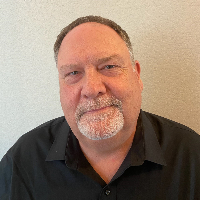
Douglas Cope, LPC
Therapist in Texas
Compassionate counselor focused on practical change
Continue with DouglasReview online therapy options on BetterHelp.
Experience
26+ years
Credentials
LPC
Languages
English
Based in
Texas
- Client-centered approach
- Goal oriented
- Warm and interactive
About Douglas
Douglas describes his counseling style as warm and interactive. He centers conversations on the person in front of him and tries to avoid labels that feel stigmatizing. Sessions focus on clear goals, practical steps, and honest reflection so people can test new ways of thinking and behaving.
He draws on client-centered methods alongside cognitive behavioral strategies and solution-focused tools. Motivational interviewing is part of his approach when people want to examine ambivalence and build commitment to change. Treatment plans are adapted to each person's needs rather than following a one-size-fits-all script.
Douglas views therapy as a cooperative effort. He offers guidance, skills practice, and steady encouragement, and expects active participation from the person seeking help. His aim is to help people spot unhelpful thinking, try different choices, and move toward their goals with greater confidence.
To begin, visitors are asked to use the site’s Start Therapy workflow, complete a brief matching questionnaire, and schedule sessions according to the therapist’s availability. Sessions use a subscription that can be canceled at any time.
How therapeutic approaches guide online work
Douglas uses client-centered methods that focus on the person's experience, values, and choices. This approach emphasizes listening, empathy, and following the person’s lead to help them clarify goals and make decisions that feel right for them.He also uses cognitive behavioral therapy, which looks at how thoughts, feelings, and actions interact. CBT helps people notice unhelpful thinking patterns, try different behaviors, and measure whether new strategies reduce distress or improve functioning.
Finding the right approach is part of the process. The therapist will work together with the person to decide which methods make the most sense for their goals, preferences, and life situation. That decision is reviewed and adjusted as work progresses to keep the plan relevant and useful.
If you are considering online sessions, confirm the current session options before booking since formats are not specified here. Online work can make it easier to fit therapy into a busy life, reduce travel time, allow shorter check-ins when needed, and let people choose settings that help them focus. Licensed professionals can use these same approaches effectively in remote sessions, and the therapist will discuss how best to adapt skills practice and homework for each person's routine.
Areas of expertise
Primary focus
Also works with
Additional focus areas
Therapeutic approaches
License details
- LPC · Texas
- 13335
- NPI (National Provider Identifier)
- 1467062141
As listed on the therapist's professional profile. You can check these details with the relevant licensing board, professional body or registry.
Frequently asked questions
What concerns does this counselor address?
He works with a wide range of concerns including stress, anxiety, depression, grief, intimacy-related issues, relationship problems, trauma and abuse, sleep issues, parenting and career challenges, and coping with life changes.
What is the therapist's general approach in sessions?
Sessions are warm and interactive and focus on setting practical goals, testing new ways of thinking and behaving, and tailoring the plan to each person's needs.
How much experience does the counselor have?
The therapist has 26 years of experience working with individuals, couples, and groups in counseling settings.
What credentials and location apply to this professional?
He holds the LPC credential, which is a Licensed Professional Counselor designation, and practices in Texas.
Which languages are supported for sessions?
Sessions are offered in English.
Can people outside the United States work with this counselor?
International clients are not currently accepted.
How are fees and payment handled?
Cost varies with location and therapist availability; sessions use a subscription that can be canceled at any time.
What steps are needed to get started?
Use the Start Therapy button, complete a short matching questionnaire, and schedule sessions based on the therapist's availability.
Some intimacy concerns have a physical side. If you notice pain or other physical symptoms, please speak with a doctor as well. Therapy can sit alongside medical care, not replace it.