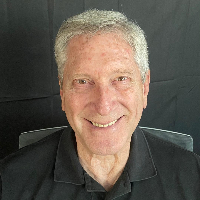
Brian Olden, LCSW
Therapist in California
Experienced LCSW for relationship and trauma concerns
Continue with BrianReview online therapy options on BetterHelp.
Experience
45+ years
Credentials
LCSW
Languages
English
Based in
California
- 45 years experience
- Client-focused goals
- California based
About Brian
He prefers to set goals together with each person and tailors his approach to fit what the person wants to accomplish. His work often centers on improving relationships, addressing intimacy-related issues, coping with stress and depression, and managing the effects of trauma. He also supports people dealing with chronic illness, caregiving stress, sleep problems, and impulsivity concerns.
He uses a mix of approaches rather than a single method. Those include client-centered work that focuses on the person's experience, cognitive behavioral ideas that look at patterns of thought and behavior, emotionally focused methods for close relationships, EMDR for trauma processing, and narrative techniques to reframe life stories. Sessions emphasize practical steps and clear strategies that someone can use between meetings.
Brian says he values cultural sensitivity and notes time spent living overseas, which shaped his awareness of different backgrounds. He works with people who want to move through transitions - for example job changes, separation, or new caregiving roles - and who want help turning strengths into workable plans.
To begin, he asks people to pick the Start Therapy button, complete a short matching questionnaire, and schedule according to his availability.
How his approaches translate to online work
Client-Centered Therapy focuses on the person's own experience and priorities. The therapist listens closely, reflects what he hears, and helps the person identify goals and next steps. This approach is helpful for people who want a supportive space to sort through decisions and feelings.Cognitive Behavioral Therapy (CBT) looks at the links between thoughts, feelings, and behaviors. Sessions often include practical exercises and short experiments to try between meetings, which can help with anxiety, depression, sleep problems, and stress management.
Emotionally-Focused Therapy (EFT) helps people notice and change patterns in close relationships by identifying underlying emotions and needs. It is often used when partners or individuals want clearer connection and understanding around difficult emotions.
Finding the right approach is a collaborative process. The therapist will discuss options, try methods that fit the person's goals, and adjust over time based on what helps. Clients participate in choosing strategies and setting the pace of work.
If you are considering online therapy, confirm the current session options before booking. Online work can make it easier to fit therapy into a busy week, shorten travel time, and allow for quick check-ins when a brief conversation will help. It can also let people use approaches like CBT homework or narrative exercises in the rhythm of daily life. Confirm what formats are available and schedule sessions that suit your routine.
Areas of expertise
Primary focus
Also works with
Additional focus areas
Therapeutic approaches
License details
- LCSW · California
- 10507
- NPI (National Provider Identifier)
- 1790762797
As listed on the therapist's professional profile. You can check these details with the relevant licensing board, professional body or registry.
Frequently asked questions
What kinds of concerns does he help with?
He works with relationship and intimacy issues, trauma and abuse, depression, anxiety, stress, grief, parenting and caregiving stress, and related concerns such as sleep problems and chronic illness adjustments.
What is his general therapy style?
He uses a practical, collaborative style that sets goals together with each person and focuses on steps people can use between sessions.
How much experience does he have?
He brings 45 years of clinical experience as a Licensed Clinical Social Worker in California.
Where is he licensed and based?
He holds a California LCSW credential and practices from California.
Which languages are supported for sessions?
Sessions are offered in English.
Does he work with international clients?
He is not taking international clients at this time.
How are sessions scheduled and what does cost look like?
Cost varies with location and therapist availability; sessions are provided through a subscription model that can be canceled at any time.
How do I get started with him?
Select the Start Therapy button, complete the short matching questionnaire, and schedule according to the therapist's availability.
Some intimacy concerns have a physical side. If you notice pain or other physical symptoms, please speak with a doctor as well. Therapy can sit alongside medical care, not replace it.