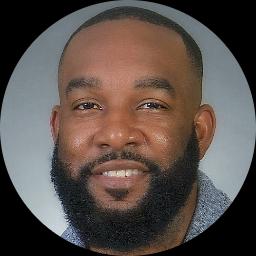
Dr. Brandon Lowe, LCMHC
Therapist in North Carolina
Experienced counselor for stress and addiction
Continue with BrandonReview online therapy options on BetterHelp.
Experience
18+ years
Credentials
LCMHC
Languages
English
Based in
North Carolina
- 18 years experience
- Client-centered focus
- North Carolina based
About Brandon
He uses straightforward conversation to find practical ways forward. Sessions focus on what matters most to the person sitting in the room. He adapts the pace and topics to match each person’s needs and goals rather than relying on a fixed script.
Dr. Lowe draws from a mix of approaches including client-centered work, cognitive behavioral techniques, dialectical behavior strategies, motivational interviewing, and psychodynamic ideas. That combination lets him address immediate symptoms and also look at longer-term patterns that affect relationships and wellbeing.
Over his career he has worked with people facing addictions, trauma and abuse, chronic health challenges, and the emotional fallout of divorce or separation. He also supports those dealing with feelings of emptiness, abandonment, and struggles tied to aging or disability.
In sessions he aims to be respectful and direct. He collaborates with each person to tailor a plan that fits their life and goals. To start, he asks questions, listens closely, and builds a clear set of next steps together.
How his approaches translate to online work
Client-centered therapy focuses on the individual's experience and aims to create a space where a person feels heard and respected. It helps with emotional stress, low self-esteem, and making sense of major life changes by following the person's lead and priorities.Cognitive Behavioral Therapy, or CBT, looks at the links between thoughts, feelings, and behavior. It uses practical exercises and small experiments to reduce anxiety, manage stress, and change unhelpful habits over time.
Dialectical Behavior Therapy, or DBT, teaches specific skills for handling intense emotions and improving interpersonal effectiveness. It can be useful for people who struggle with emotional regulation or crises and need concrete strategies.
Finding the right approach is part of the work. The therapist will discuss goals and preferences and choose methods together. That collaborative process helps shape what therapy looks like and which techniques are emphasized.
Because session formats are not specified here, confirm current online options before booking. Online therapy can make it easier to fit sessions into a busy life, allow shorter check-ins when needed, and reduce travel time. It can also let someone continue care during life transitions while they test what works best for them.
Areas of expertise
Primary focus
Additional focus areas
Therapeutic approaches
License details
- LCMHC · North Carolina
- 11263
- NPI (National Provider Identifier)
- 1073937447
As listed on the therapist's professional profile. You can check these details with the relevant licensing board, professional body or registry.
Frequently asked questions
What concerns does he commonly address?
He works with stress, anxiety, addictions, trauma and abuse, and self-esteem. He also addresses life changes and related problems like communication and family of origin issues.
What is his general therapy style?
He uses a conversational, practical style that adapts to each person. Sessions focus on immediate needs and realistic steps forward.
How much clinical experience does he have?
He has 18 years of professional experience working with a range of mental health and addiction concerns.
What credentials and location apply to his practice?
He is an LCMHC licensed in North Carolina and practices there.
Which languages are supported in sessions?
Sessions are offered in English only.
Can international clients schedule with him?
He does not accept international clients at this time.
How is cost handled for sessions?
Cost varies with location and therapist availability; sessions use a subscription that can be canceled at any time.
How do I begin working with him?
Select the Start Therapy button, complete a short matching questionnaire, and schedule according to therapist availability.
Some intimacy concerns have a physical side. If you notice pain or other physical symptoms, please speak with a doctor as well. Therapy can sit alongside medical care, not replace it.