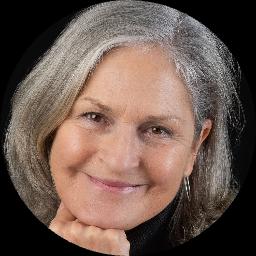
Anna Doherty, BACP
Therapist in United Kingdom
Practical, client-centred support for life challenges
Continue with AnnaReview online therapy options on BetterHelp.
Experience
6+ years
Credentials
BACP
Languages
English
Based in
United Kingdom
- Client-centred approach
- CBT and mindfulness
- BACP registered
About Anna
Anna uses a client-centred way of working that focuses on each person's experience. She listens first and then helps clients find practical steps that fit their life. Sessions can include talking, simple mindfulness exercises and body-focused practices when these feel helpful.
With six years of recent experience working in the UK, Anna draws on several approaches to tailor support. She uses Cognitive Behavioural Therapy or CBT to look at thoughts and behaviours. She brings in psychodynamic ideas to notice patterns from earlier life that affect today.
Mindfulness and somatic techniques feature when clients would like help with stress held in the body or with grounding during difficult emotions. Anna explains methods clearly and works at a steady pace so clients can try things out and decide what helps.
Anna is registered with the British Association for Counselling and Psychotherapy, shown as BACP. That registration is listed in her background and reflects her standing with a UK professional body. She asks new clients to pick Start Therapy, complete a short questionnaire and then arrange sessions according to her schedule.
Approaches used online and how they help
Anna often draws on Cognitive Behavioural Therapy, which focuses on identifying unhelpful thinking and testing small behavioural changes to reduce anxiety and improve mood. CBT is useful for problems like worry, low mood, and unhelpful routines.She also uses Mindfulness Therapy to help people notice their experience without judgement and to reduce stress reactivity. Simple breathing and attention exercises are taught and practised in sessions to support sleeping and anxiety concerns.
Finding the right approach is part of the therapeutic process. The therapist will work collaboratively to choose and adapt methods based on your needs, goals and what feels manageable for you. You can try different ways of working and agree what to keep or change as therapy progresses.
The biography does not specify exact session formats, so confirm the available online options before booking. Online work can make it easier to fit appointments into a busy day, reduce travel time and allow shorter check-ins when needed. It can also let people use quiet, low-bandwidth setups or audio-only sessions if that suits them better. Discuss practical preferences with the therapist when you arrange your first appointment.
Areas of expertise
Primary focus
Also works with
Additional focus areas
Therapeutic approaches
Registration details
- BACP · United Kingdom
- 75842
As listed on the therapist's professional profile. You can check these details with the relevant licensing board, professional body or registry.
Frequently asked questions
What concerns does Anna work with?
She supports people with stress, anxiety, addictions, eating and body image issues, low self-esteem, depression, sleep problems, grief, trauma and coping with life changes.
How would she describe her therapeutic style?
Anna takes a client-centred approach, listening carefully and tailoring sessions. She uses practical exercises, conversational work and body-based techniques when helpful.
What background and experience does she have?
She has six years of practice experience in the UK and draws on several therapeutic approaches to shape sessions around each person's needs.
Which credentials and location apply?
Anna is registered with the British Association for Counselling and Psychotherapy, shown as BACP, and is based in the United Kingdom.
Can I work with her in other countries or languages?
Sessions are offered in English and she accepts international clients.
What session formats are available?
The original biography does not list specific session formats. Please confirm current session options before booking.
How are costs handled?
Cost varies with location and therapist availability; sessions use a subscription that can be cancelled at any time.
How do I begin working with Anna?
Select the Start Therapy button, complete a short matching questionnaire, and schedule sessions according to the therapist's availability.
Some intimacy concerns have a physical side. If you notice pain or other physical symptoms, please speak with a doctor as well. Therapy can sit alongside medical care, not replace it.