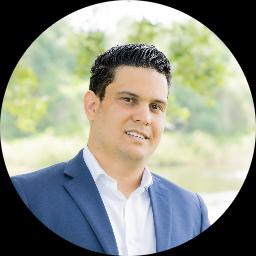
Yadiel Munoz, LCSW, LICSW
Therapist in Florida
Compassionate support for intimacy and addiction concerns
Continue with YadielReview online therapy options on BetterHelp.
Experience
6+ years
Credentials
LCSW, LICSW
Languages
English, Spanish
Based in
Florida
- Strengths-based approach
- Bilingual English Spanish
- Focus on intimacy
About Yadiel
He centers therapy on what each person wants to change. Sessions tend to be straightforward and collaborative. He listens to the story you bring, highlights your strengths, and helps set small, doable steps toward goals like managing anxiety, improving intimacy, or reducing problematic behaviors.
He uses a mix of approaches to match the need at hand. Cognitive Behavioral Therapy helps identify and shift unhelpful thoughts and behaviors. Acceptance and Commitment Therapy supports values-based action when feelings feel overwhelming. Attachment-based and emotionally focused ideas inform work around relationships and connection.
His background includes six years of clinical experience working with depression, stress, grief, anger, and various forms of addiction including process and substance-related problems. He also addresses issues related to fatherhood, infidelity, multicultural concerns, and sexuality. He aims to make the work practical so people can notice change between sessions.
People can expect a direct, respectful style that names patterns and tests small changes. Munoz frames the client as the expert on their life and offers tools and feedback to build confidence. He encourages steady steps rather than quick fixes.
How evidence-based approaches shape online care
Acceptance and Commitment Therapy helps people notice difficult thoughts and feelings without getting stuck, then choose actions that match their values. It can be useful for anxiety, depression, and motivation problems. Cognitive Behavioral Therapy focuses on identifying unhelpful thinking and behavior patterns and testing new ways of responding to reduce symptoms and improve daily functioning.Attachment-Based and Emotionally-Focused ideas guide work around intimacy and relationship patterns by identifying how connection and past bonds shape current reactions. That perspective can be helpful for people dealing with relationship distress, trust issues, or sexual concerns.
Finding the right approach is part of the early work. The therapist will collaborate with each person to choose methods that fit their goals and preferences. That may mean trying a short behavioral experiment one week and a values-based exercise the next, then adapting based on what helps.
If you are interested in online sessions, confirm the specific session formats available before booking since formats were not specified in the biography. Online work can make it easier to fit therapy into a busy life, reduce travel time, and allow shorter check-ins when schedules are tight. Licensed professionals can adapt ACT, CBT, and attachment-focused work to an online setting to practice skills between meetings and track progress over time.
Areas of expertise
Primary focus
Also works with
Additional focus areas
Therapeutic approaches
License details
- LCSW · Florida
- SW20147
- LICSW · Massachusetts
- LICSW127765
- NPI (National Provider Identifier)
- 1710456181
As listed on the therapist's professional profile. You can check these details with the relevant licensing board, professional body or registry.
Frequently asked questions
What kinds of concerns does this therapist address?
The practice focuses on addictions, relationship and intimacy issues, sexual concerns, depression, anxiety, stress, grief, anger, and self-esteem challenges. Additional topics include fatherhood issues, infidelity, multicultural concerns, and process addictions.
How would you describe the therapy style?
Therapy is collaborative and practical, using a blend of approaches like CBT, ACT, attachment-based ideas, and emotionally focused work to set concrete goals and steps. The therapist highlights client strengths and focuses on small, achievable changes.
What experience does the therapist have?
He has six years of professional clinical experience working with depression, anxiety, addictions, relationship problems, trauma, and motivation and confidence concerns.
What credentials and location are listed?
The therapist holds LCSW and LICSW credentials and practices in Florida. These are the only credentials provided for this profile.
Which languages are supported for sessions?
Sessions are offered in English and Spanish.
Can international clients work with this therapist?
International clients are not currently accepted.
How are sessions scheduled and what about cost?
Costs vary by location and provider availability and sessions use a subscription that can be canceled at any time. Exact rates are determined by location and the subscription model.
How do I begin working with this therapist?
Start by selecting the Start Therapy button, completing a short matching questionnaire, and scheduling a session according to therapist availability.
Some intimacy concerns have a physical side. If you notice pain or other physical symptoms, please speak with a doctor as well. Therapy can sit alongside medical care, not replace it.