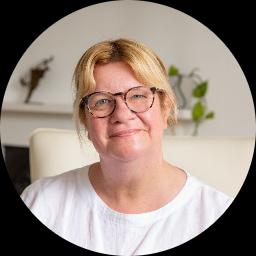
Samantha Love, NCPS
Therapist in United Kingdom
Practical counselling for relationships and trauma
Continue with SamanthaReview online therapy options on BetterHelp.
Experience
15+ years
Credentials
NCPS
Languages
English
Based in
United Kingdom
- Integrative approach
- Experience with autism
- Values-based work
About Samantha
Samantha brings 15 years of experience working in education and prison settings with special educational needs. She has particular experience counselling people on the autistic spectrum and those affected by childhood trauma and sexual assault. Her background includes a degree in psychology and a diploma in therapeutic counselling, and she is registered with NCPS.
Her approach is integrative. She draws on cognitive behavioural techniques to spot and change unhelpful thinking. She uses Acceptance and Commitment Therapy ideas to help people clarify values and take manageable steps. Emotionally-Focused and attachment-based ideas guide work on closeness and trust.
Samantha also uses person-centred methods and mindfulness to create a steady, paced session. Creative exercises are available when verbal work feels difficult, giving different ways to express feelings. Sessions are shaped to suit each person rather than following one fixed method.
She communicates Monday to Friday and typically replies to enquiries within 24 hours. Practical scheduling details are arranged after a short matching questionnaire. People thinking about beginning work are invited to use the Start Therapy button to complete that form and arrange a first session.
How therapeutic approaches translate to online counselling
Samantha uses Cognitive Behavioural Therapy (CBT) to help people notice and change thought patterns that feed anxiety or low mood. CBT sessions often involve practical tasks and simple exercises to try between meetings.She also uses Acceptance and Commitment Therapy (ACT) to help clients clarify what matters to them and take small, concrete steps towards those values. ACT can be useful for coping with difficult feelings and building flexible responses to stress.
Finding the right approach is part of the work. Samantha will discuss options with each person and choose methods based on their goals and preferences. This is a collaborative process so the plan can change as therapy progresses.
If you are considering online sessions, check the therapist's current session options before booking because the profile does not list specific formats. Online counselling can make it easier to fit sessions into a busy week, reduce travel time and allow for shorter check-ins when needed. Telephone conversations can work well when video is not suitable, while video allows visual cues and a more conversational feel. Confirm the available formats and scheduling details when you complete the matching questionnaire.
Areas of expertise
Primary focus
Also works with
Additional focus areas
Therapeutic approaches
Registration details
- NCPS · United Kingdom
- NCS22-04548
As listed on the therapist's professional profile. You can check these details with the relevant licensing board, professional body or registry.
Frequently asked questions
What kinds of problems does this counsellor focus on?
Samantha works with relationship difficulties, intimacy-related issues including sexual dysfunction, trauma and abuse, anxiety and depression, grief, sleep problems and anger. She also lists a range of additional focus areas such as pregnancy and childbirth concerns, post-traumatic stress and social anxiety.
What is the therapy style like in sessions?
Sessions use an integrative style that blends CBT, Acceptance and Commitment Therapy, attachment-based ideas, Emotionally-Focused Therapy and client-centred work. The therapist adapts methods to each person's needs and may include creative exercises when helpful.
How much clinical experience does the counsellor have?
She has 15 years of experience working in counselling roles across education and prison settings and has taught counselling students online.
What credentials and location are listed?
The counsellor holds a degree in psychology, a diploma in therapeutic counselling and is registered with NCPS. She practises from the United Kingdom.
Which languages are supported and can international clients attend?
Sessions are offered in English and the therapist accepts international clients.
What session formats are available?
The original profile notes training in online and telephone counselling but does not list specific current formats; please confirm the available session formats when booking.
How are fees handled?
Cost varies with location and therapist availability and sessions are provided through a subscription model that can be cancelled at any time.
How do I begin working with this counsellor?
Begin by selecting the Start Therapy button, completing a short matching questionnaire, and then scheduling according to the therapist's availability.
Some intimacy concerns have a physical side. If you notice pain or other physical symptoms, please speak with a doctor as well. Therapy can sit alongside medical care, not replace it.