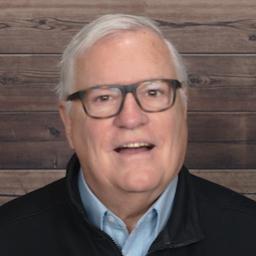
Dr. James Bedell, IL Psychologist 071004954
Therapist in Illinois
Therapist focused on practical healing
Continue with JamesReview online therapy options on BetterHelp.
Experience
38+ years
Credentials
IL Psychologist 071004954
Languages
English
Based in
Illinois
- Collaborative approach
- Practical strategies
- Longstanding experience
About James
In sessions he looks at symptoms like anxiety or depression as having many causes. That often means considering early attachment patterns, thinking habits, and biological influences together. He uses a mix of approaches to tailor what happens in the room to each person’s needs. Conversations focus on clear, doable strategies rather than jargon-heavy theory.
He has worked with individuals, couples, groups, and forensic clients, including people involved in criminal and family court systems. That background informs a pragmatic style that values directness and respect. He describes clients as courageous people doing their best under difficult circumstances.
Dr. Bedell aims to collaborate with people to reduce suffering and find workable solutions. He focuses on helping with stress, anxiety, addictions, relationship and intimacy concerns, trauma and abuse, grief, and other life challenges. Sessions are intended to be a space for practical problem solving and emotional understanding.
People who choose his approach should expect a clinician who listens, offers clear ideas, and works together with them on next steps. He emphasizes building safety in the relationship first and then addressing the issues that matter most to the client.
How certain approaches translate to online work
Attachment-Based Therapy focuses on patterns in close relationships and how early bonds shape current trust and connection. Online sessions using this lens examine relationship history and current interaction patterns to help people form more secure ways of relating.Cognitive Behavioral Therapy, or CBT, targets unhelpful thinking and behavior. It uses clear, structured steps such as identifying automatic thoughts, testing them, and practicing alternative responses. CBT is often useful for anxiety, depression, and many everyday problems because it emphasizes practical homework and measurable change.
Dialectical Behavior Therapy, or DBT, blends acceptance and change strategies. It teaches skills for emotion regulation, distress tolerance, and interpersonal effectiveness. That can help when emotions feel overwhelming or communication repeatedly breaks down.
Choosing an approach is a collaborative process. The therapist will discuss goals, preferences, and what has or hasn’t worked before to decide which methods to use. Together they adapt techniques so the plan fits the person’s day-to-day life and pace.
Confirm current session options before booking, as formats are not specified here. Online therapy can make it easier to fit appointments into workdays, reduce travel time, and allow focused check-ins between in-person visits. It also often makes it simpler to practice skills in real-world settings and to review homework between meetings.
Areas of expertise
Primary focus
Also works with
Additional focus areas
Therapeutic approaches
License details
- Psychologist · Illinois
- 071004954
- NPI (National Provider Identifier)
- 1396990693
As listed on the therapist's professional profile. You can check these details with the relevant licensing board, professional body or registry.
Frequently asked questions
What kinds of problems does he help with?
He works with a broad range of concerns including stress, anxiety, addictions, relationship and intimacy issues, trauma and abuse, grief, depression, ADHD, and other mood or behavior challenges.
How would you describe his therapy style?
His style is pragmatic and nonjudgmental. He builds an alliance, listens closely, and focuses on practical steps that fit the person’s life.
What is his professional background?
He has 38 years of experience working with individuals, couples, groups, and forensic clients, including those involved in criminal and family court contexts.
What credential does he hold and where is he located?
He is listed as IL Psychologist 071004954 and practices in Illinois.
Which languages are supported for sessions?
Sessions are offered in English.
Can people outside the United States work with him?
International clients are not currently accepted.
How are fees and payment handled?
Cost varies with location and therapist availability; sessions use a subscription that can be canceled at any time.
What are the steps to begin work with him?
Use the Start Therapy button, complete a short matching questionnaire, and schedule according to therapist availability.
Some intimacy concerns have a physical side. If you notice pain or other physical symptoms, please speak with a doctor as well. Therapy can sit alongside medical care, not replace it.